The Money··3 min read
Construction employment is flat in the valley, but the mix underneath it moved
Metro construction jobs held at 81,900. Statewide, building construction shed 600 positions while specialty trades added 2,900. That divergence tells you what kind of work is actually happening.
A flat employment number usually gets read as nothing happening. In this case the flat number is hiding a rotation, and the rotation is the story.
Las Vegas metro construction employment was 81,900 in July 2026, essentially unchanged (Bureau of Labor Statistics via FRED). Statewide, Nevada construction employment rose 2.2% to 115,800. Inside that total, Construction of Buildings fell by 600 jobs while Specialty Trade Contractors added 2,900 (NVBEX).
What that split means in practice
Building Construction is the category that tracks ground-up work — the general contractors and the firms whose headcount rises when new structures start. Specialty Trade Contractors covers the trades: electrical, mechanical, plumbing, drywall, roofing, glazing, concrete.
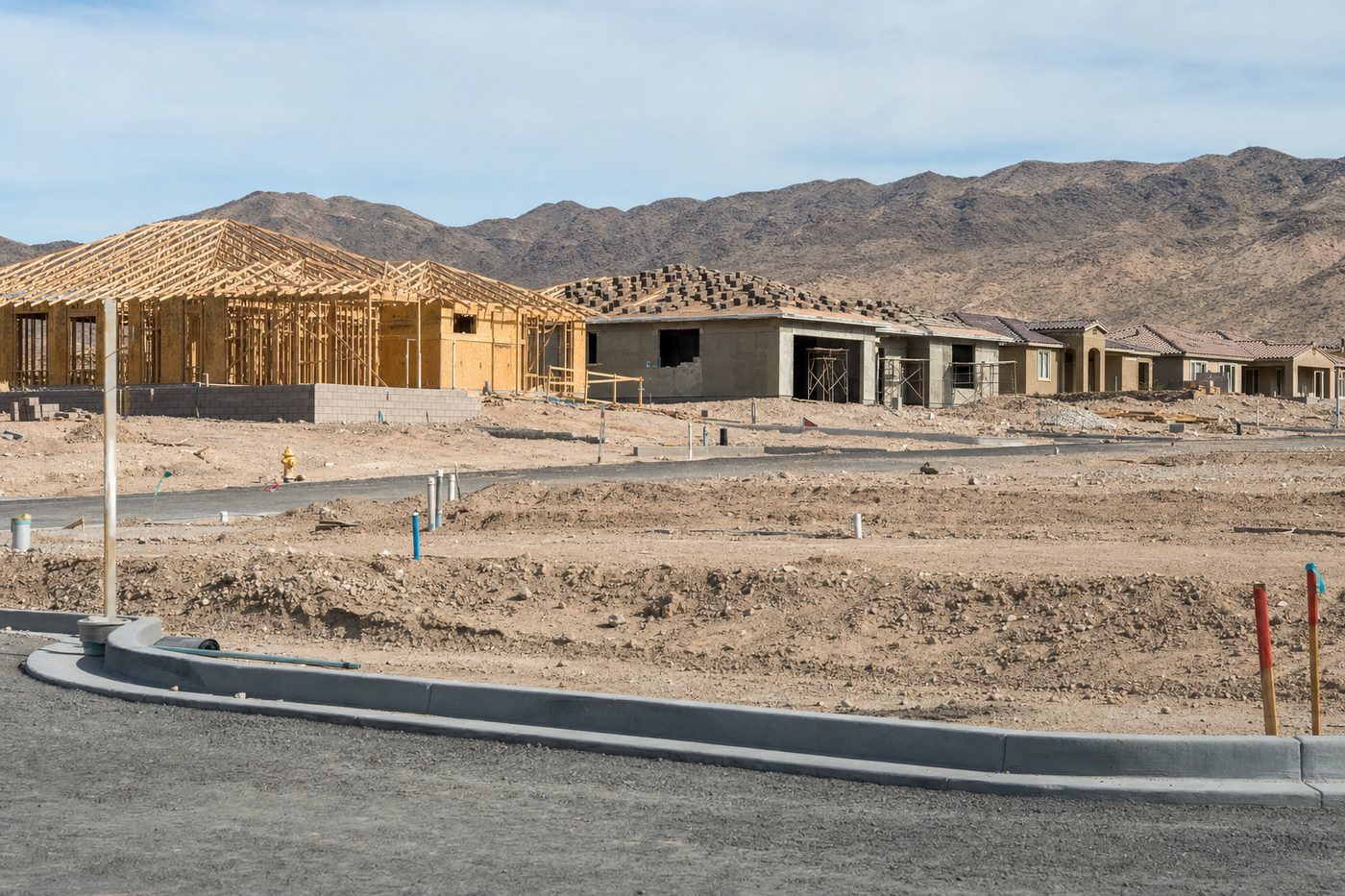
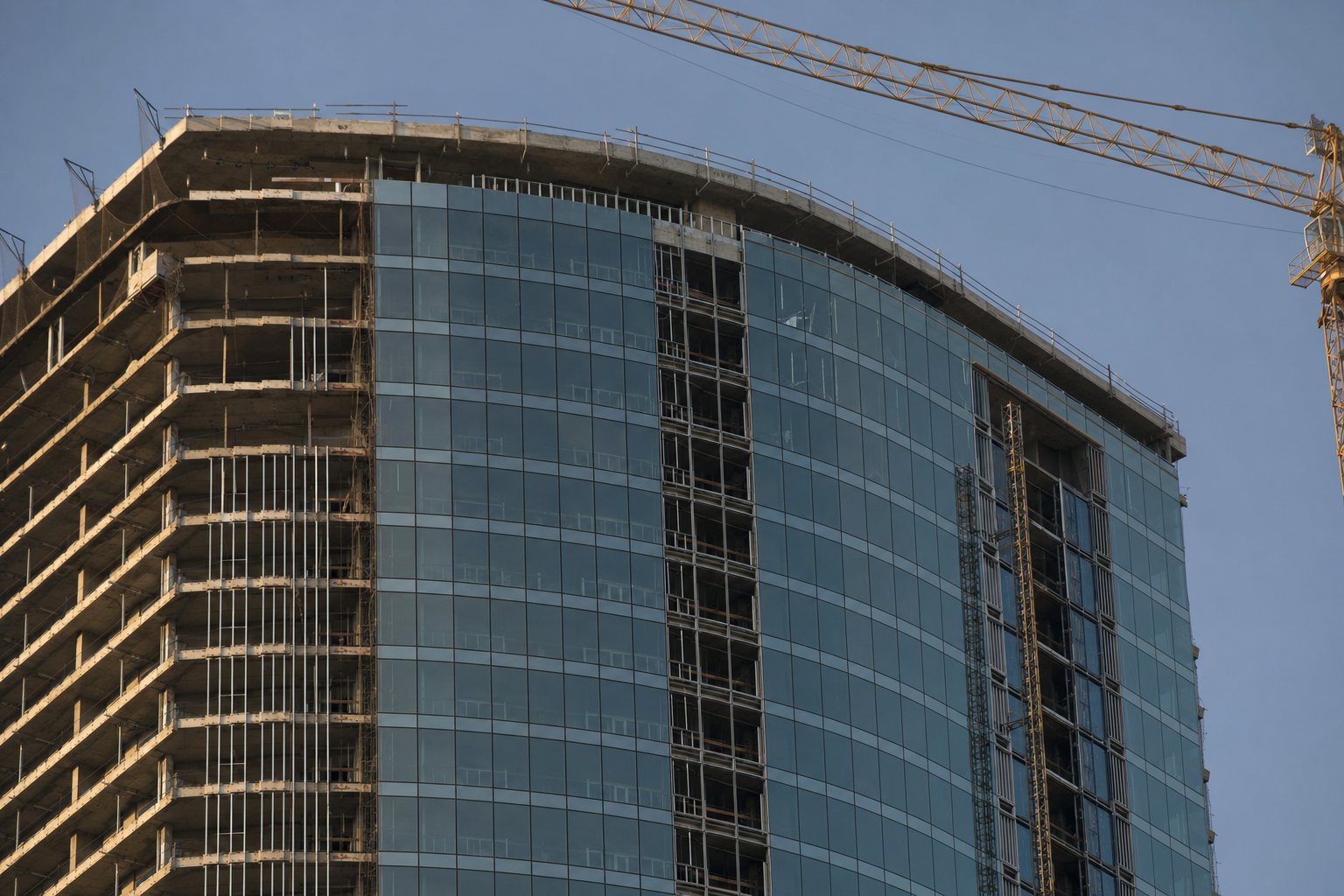
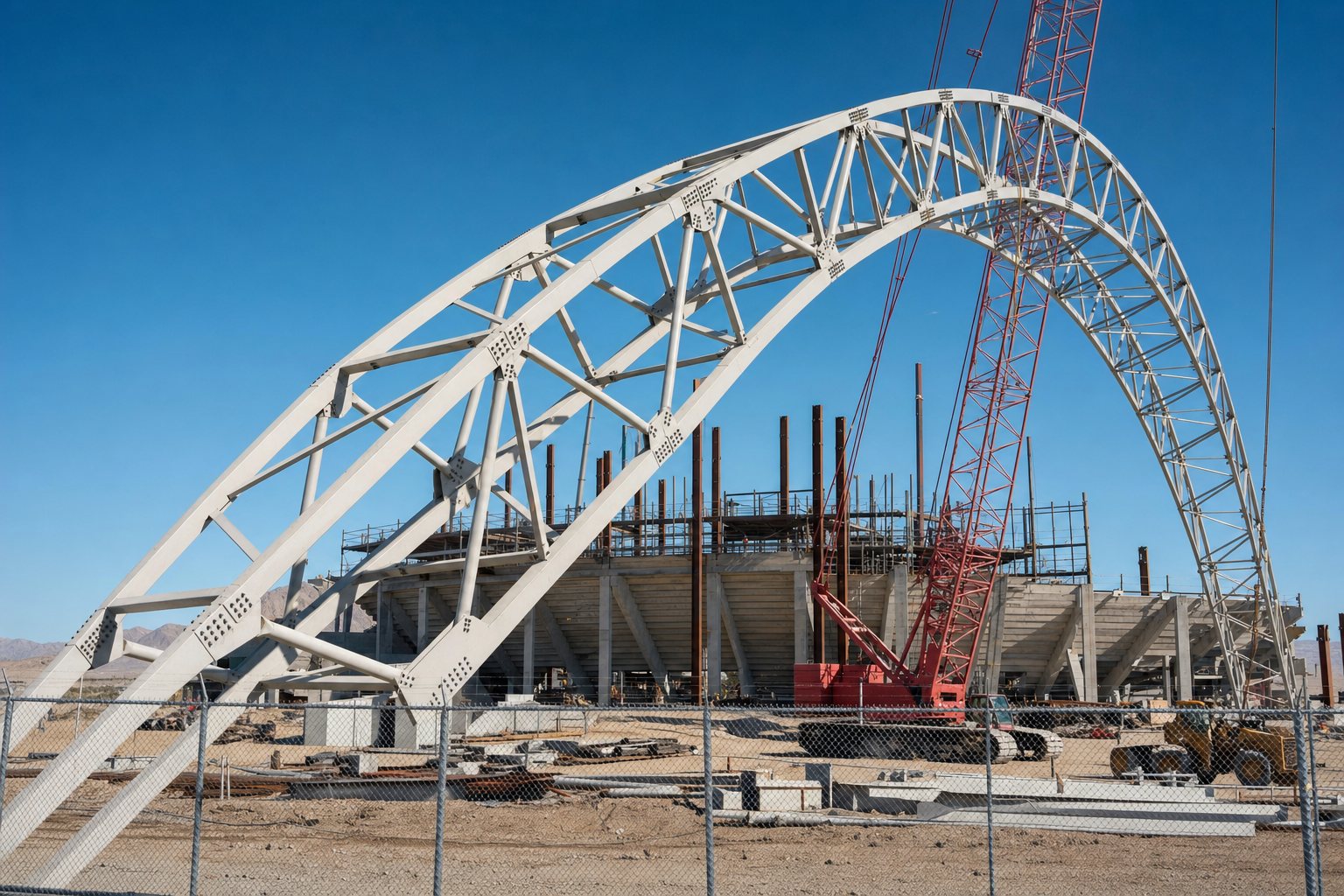
Trades growing while building construction shrinks is the signature of a market working through projects that already started rather than starting new ones. It fits the permit data exactly: new-home permits down 25% year to date (Review-Journal) while enormous vertical projects — the Guitar Tower, the ballpark, Durango Phase 2, the Venetian expansion — move into their trade-heavy phases.
Trades up, ground-up down. The valley is finishing more than it is beginning.
Why that matters if you are hiring a contractor
Specialty trade capacity being absorbed by megaprojects is the mechanism behind slow callbacks and long lead times on residential work. When 2,900 trade jobs get added statewide and the largest projects in the state are all in fit-out, the marginal electrician is not available for your addition next month.
It also means the crunch is timing, not price collapse. If ground-up starts stay depressed while current projects finish out, trade capacity frees up on a lag. That is a real planning consideration for anyone deciding between building now and building in a year.
The public pipeline behind it
One reason not to expect a cliff: Clark County's capital improvement program for FY2027–2031 totals $5.3874 billion, of which $3.51 billion is currently unfunded (NVBEX). That unfunded share is the number to watch. Programmed is not the same as financed, and the gap is where public construction schedules slip.
Longer term, the demand case has weakened on paper. Clark County's population reached 2.47 million in 2025, up 1.8%, but UNLV's Center for Business and Economic Research pushed the three-million milestone from roughly 2045 out to 2055 — a full decade (UNLV CBER forecasts; FOX5). A decade of deferred growth changes what gets built and for whom.
Sources
Every figure in this piece traces to one of these. If a number was not in a source, it is not in the story.
- FRED / BLS — Las Vegas metro construction employment
- NVBEX — Nevada construction employment increases in July
- Review-Journal — Homebuilders add 14 new projects in July
- NVBEX — Clark County Capital Improvement Program 2027-2031
- UNLV CBER — 2026 population forecasts
- FOX5 — Clark County's three-million milestone pushed back a decade
Spot something wrong? Email corrections@buildinglasvegas.com. We publish corrections within 24 hours and keep them in a public log on our standards page.